Yukata is a single-layer cotton garment worn without an underrobe — that’s the core structural difference between yukata and kimono. But the three visual cues, the full list of accessories each requires, and a clear occasion guide will make the choice automatic, and might save you a very hot afternoon.
Yukata vs Kimono: The Key Differences at a Glance
Both are traditional Japanese robes fastened with an obi (sash), but the comparison ends at the silhouette. Understanding what each one actually is will make everything else easier to follow.
Kimono (literally “thing to wear”) is Japan’s traditional formal robe, worn on occasions ranging from tea ceremony and weddings to coming-of-age ceremonies. A summer kimono is typically made from ro (open-weave silk) or sha (gauze-weave silk) — fabrics with a loose, semi-transparent weave designed to allow some airflow while keeping the formality that silk brings. It is worn over a nagajuban (under-robe) and requires a coordinated set of accessories: a formal obi tied in a taiko-musubi (drum knot), obijime (decorative cord), obiage (sash pillow cover), tabi (split-toe socks), and zori (flat sandals).
Yukata (casual summer garment) is best understood as kimono’s informal summer counterpart. The word combines yu (hot water) and kata (wear) — historically, yukata were cotton robes worn after bathing at a hot spring. Today they are worn at summer festivals, fireworks displays, and evenings at traditional inns. The structure is straightforward: a single layer of cotton or cotton-linen over a thin slip, tied with a hanhaba obi (half-width sash), no tabi, and geta (wooden sandals) on bare feet.
From ten meters away, the silhouette looks the same. From five meters, three checkpoints tell you exactly what you’re looking at — and once you know them, you’ll spot the difference automatically.
How to Tell Them Apart: Neckline, Obi, and Footwear
There are three things to look for. Check them in order and you’ll have an answer before you even get close.
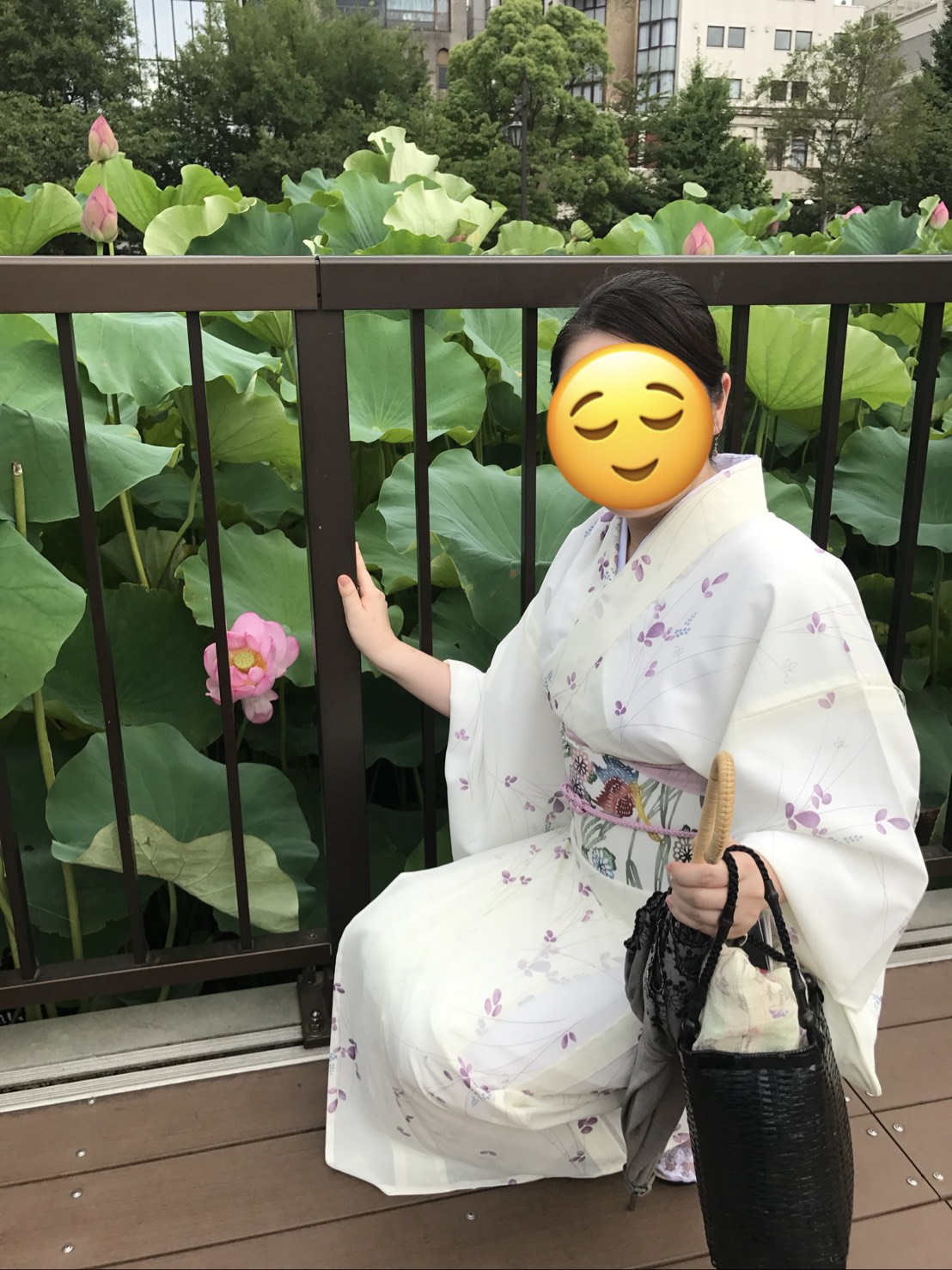
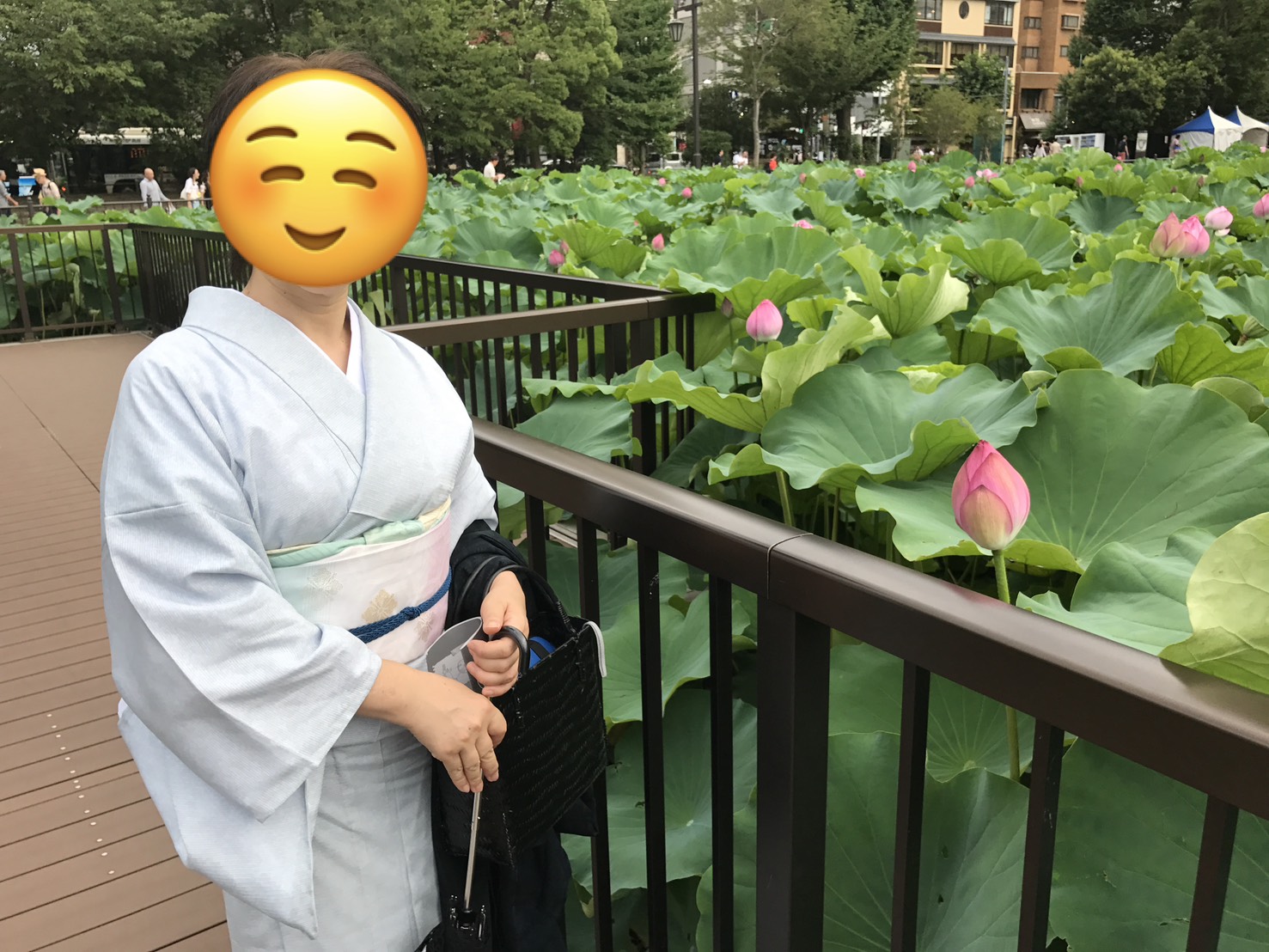
The first is the neckline. A summer kimono shows a strip of white fabric at the collar — that’s the nagajuban folded to frame the outer robe. The white is always there because the nagajuban is a structural part of the outfit, not optional. A yukata has no nagajuban. The collar sits clean and unlined, showing only the yukata fabric itself. This single cue is visible from across the street and is almost never ambiguous.
The second is the obi. A summer kimono uses a full-width obi tied in a taiko-musubi at the back — a structured square knot supported by an obi board — with obijime and obiage layered over the top. The overall arrangement is precise and a little architectural. A yukata uses a hanhaba obi, half the width, often tied in a loose ribbon or bow. There’s no obijime or obiage. The result is softer, less structured, and takes considerably less time to put on.
The third is the feet. Tabi socks and zori sandals go with summer kimono. Bare feet and geta go with yukata. Geta make a distinctive hollow wooden sound on pavement — a clip-clop that carries — and once you notice it, you can identify a yukata wearer from sound alone before you see them.
These three checkpoints work as a system. In practice, once you’ve run through them a few times they become automatic. What they don’t prepare you for, though, is how differently each garment actually feels to wear during a Japanese summer.
Fabric and How They Actually Feel to Wear
Yukata is cooler to wear than summer kimono. This surprises most people, because summer kimono doesn’t look like it would be warm.
Ro and sha fabrics have an open weave with visible gaps between the threads. In certain light, they appear almost transparent. In photographs, a ro kimono looks delicate and airy — exactly what you’d want in August heat. The assumption that this lightness translates into physical coolness is, unfortunately, wrong.
I own a ro komon (a casual all-over pattern kimono in open-weave silk) that I wear during summer. Silk has a quality that retains warmth against the skin in a way that cotton simply doesn’t, and once you add a nagajuban underneath, the layering effect is noticeable. By midday on a hot day, the gap between wearing ro and wearing cotton yukata is not subtle.
Yukata in cotton or cotton-linen lifts away from the skin, allows airflow, and dries quickly. On a July evening at a summer festival, those properties matter in a way that silk’s elegance cannot compensate for.
Last summer, I wore a summer kimono to a daytime outdoor event and spent the afternoon wishing I’d chosen yukata instead — which, for that occasion, would also have been perfectly appropriate. Seeing something cool in a photograph is not the same as feeling cool while wearing it. The practical side of this distinction shows up most clearly when you look at what each outfit actually requires you to own.
What You Need to Wear Each: A Practical Checklist
The gap between yukata and summer kimono becomes most concrete when you list out what each outfit requires. Yukata takes five items. Summer kimono takes closer to ten — and every item must be in summer-weight fabric.
For yukata, the complete list is: the yukata itself, a yukata slip (a thin cotton undergarment worn against the skin), a hanhaba obi, one or two koshihimo (thin sashes used while dressing), and geta. That’s the outfit. Once you’ve practiced the wrapping process a handful of times, dressing takes under 30 minutes. A cotton yukata set at the entry level starts around ¥10,000, and the items carry over year after year.
For summer kimono, the list expands considerably: the kimono itself, a nagajuban in summer-weight fabric, a summer obi (ro or sha nagoya obi), obijime in summer weight, obiage in summer weight, an obi board and padding, two or three koshihimo, tabi socks, and zori sandals. The phrase “in summer weight” is not optional — every item on this list must match the season. A nagajuban in standard silk, or an obijime intended for autumn, will look visually out of place and can make the whole outfit feel inconsistent.
Building a complete summer kimono set from scratch runs from roughly ¥30,000 at the lower end to well over ¥100,000 for quality pieces. And the wearable window is short: ro and sha are appropriate from late June through August, which means about eight weeks. You are building and storing a season-specific wardrobe that does not cross over into any other time of year.
One more practical note: yukata is now accepted at a growing number of events and venues that previously expected kimono, including many tea ceremony practice sessions. If you’re considering summer kimono primarily for tea, check with your teacher before investing — for many beginners, yukata handles the first season comfortably. Knowing what each outfit demands makes the question of when to choose which much easier to answer.
When to Wear Which: A Simple TPO Guide
The clearest rule: if a formal context or implied dress code is involved, choose summer kimono. For everything else in summer, yukata is sufficient.
Yukata is well-suited to summer festivals (natsu matsuri), fireworks displays (hanabi taikai), casual restaurant dinners, evening walks in traditional neighborhoods, and ryokan (traditional inn) stays — many inns provide yukata as standard eveningwear for guests. Over the past several years, yukata has also become common at open-air food events and summer markets in cities like Kyoto and Tokyo, worn alongside everyday summer clothes without standing out as overdressed or underdressed.
Summer kimono is the right choice for tea ceremony gatherings (chakai), formal kaiseki restaurant reservations, and invited events where the setting calls for a polished appearance. In chado (tea ceremony), the dress code depends on the occasion. For formal tea gatherings (chakai), summer kimono in ro or sha is the expected standard. For regular practice sessions, expectations vary by teacher: some accept yukata, particularly for students still building their wardrobe. When in doubt, ask your teacher before the session. If you’re a beginner in tea and wondering whether to buy a summer kimono set right away, ask your teacher directly before committing to the cost. For most people in their first year, yukata is enough.
When you’re uncertain about a specific event, check whether the invitation mentions attire. If it doesn’t, yukata is almost certainly appropriate. If it does mention dress, follow what’s specified — and if you’re still unsure, one message to the organizer will give you a definitive answer faster than second-guessing will.
Yukata and summer kimono each have a clear place in the summer wardrobe. The difference between yukata and kimono is ultimately a difference in occasion and investment level — not in which one is more “authentic” or more Japanese. Both are worn, both are valid, and both suit different moments of summer in Japan.
Where to Experience Yukata and Kimono in Japan
Whether you’re looking to buy your first yukata or try a summer kimono rental during a trip to Japan, options range from department store kimono floors and specialist shops to online retailers with detailed sizing guides. Browsing by fabric type and intended occasion is the most practical starting point — prices and availability vary significantly by region and season.
▼ Kimono & Yukata Rental Experience in Tokyo
For visitors to Tokyo, Kimono Miyabi in Asakusa offers yukata and kimono rental with professional dressing and hairstyling. Multilingual staff available. Yukata provided from June 1 – September 15.
* This article contains affiliate links.