スポンサーリンク
Tea-ceremony

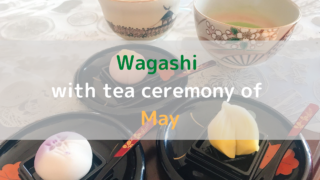
Wagashi with tea ceremony of May

What we eat with tea ceremony?At the tea ceremony, traditionally we eat Wagashi (Japanese sweets) just before drinking matcha.This is like a relations...
Kimono

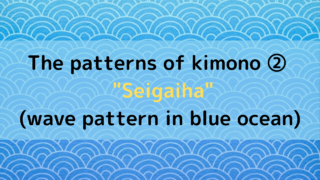
Origin of Japanese wave pattern / Traditional Kimono pattern ②

What does Seigaiha mean? Discover the origin and symbolism behind this classic Japanese wave pattern, seen on kimono, pottery, and textiles.
Kimono

Origin of Japanese orange peel pattern / Traditional Kimono pattern ①

What is the Shippo pattern? Explore the meaning behind this Japanese cloisonné-style circle motif, a symbol of harmony, prosperity, and endless connection.
Souvenir

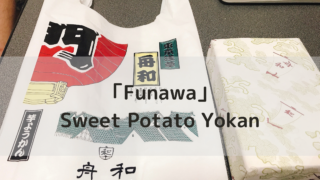
「Funawa」Sweet Potato Yokan

■What is Yokan?Yokan is a bar of sweet red bean paste. It is made of red bean paste, agar, and sugar.Yokan is a Japanese traditional sweet and usually...
Shrine

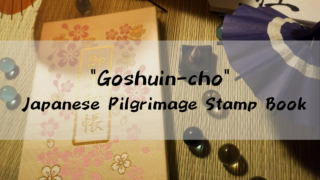
“Goshuin-cho” Japanese Pilgrimage Stamp Book

A red seal is a treasure stamp that you receive from a temple as a sign of your prayers when you pay a visit to a temple and pay a sutra (a sutra), and it's not a stamp rally, so we better to visit a temple and shrines before you get one.
Kimono

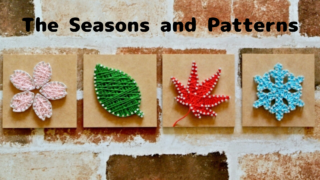
Seasons and Patterns to be aware of when wearing a kimono

When wearing a kimono, pay attention to (1) If the motifs are of plants and animals in nature, "Season ahead! is the iron rule. (2) If the motif is a seasonal event, it's OK up to the day of the event plus ahead of time. (3) Non-seasonal patterns and flowers patterns from all four seasons are OK for all seasons.
Kimono

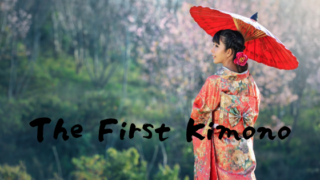
The First Kimono

When we buy a kimono to order for the first time, we have to take care of various things such as pattern matching, size, and compatibility with accessories.The impression when we see it as an antique is a bit different from the way the pattern appears when it's shaped, so I hope you can refer to my failures as well.
スポンサーリンク